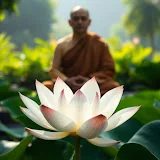

Conscious Breathing: 5 Science-Backed Ways to Calm Anxiety
Discover 5 science-backed breathing techniques to calm anxiety instantly. Learn how conscious breathing activates your nervous system's relaxation

You open your eyes. The alarm has just gone off. Your body feels stiff and tense, as if every muscle were protesting the simple act of getting up. Does that sound familiar? You’re not alone. Thousands of people start each morning dragging around that heavy feeling that turns the first minutes of the day into a battle against muscle stiffness.
But there’s a solution as simple as it is powerful: morning stretches. We’re not talking about complicated routines or becoming an expert yogi. These are gentle, strategic movements that wake up your body naturally, activating circulation, releasing the tension built up overnight and preparing you to face the day with an energy you may have forgotten existed.
During sleep, your body stays in static positions that can reduce blood flow and cause muscle stiffness. Muscles shorten, joints compress and the synovial fluid that lubricates them becomes less effective. When you try to move abruptly upon waking, your body simply isn’t ready. That’s why those first steps can feel clumsy, even painful.
Morning stretches break that cycle. They act like a switch that turns on your neuromuscular system, telling your brain it’s time to activate. They gradually raise your heart rate, oxygenate your tissues and release endorphins that lift your mood from the very first moment. It’s not magic: it’s science applied to your daily routine.
Morning stiffness isn’t a product of your imagination, nor is it a sign that you’re aging prematurely. It’s a completely normal physiological response to hours of stillness. During sleep, your body temperature drops slightly, which reduces the elasticity of muscles and tendons. On top of that, cortisol production peaks in the early morning hours, which can increase the sensation of muscle tension.
Research in sports medicine shows that spending five to ten minutes on gentle stretches in the morning significantly improves joint range of motion for the rest of the day. This translates into less back pain, better posture and a lower risk of injury in everyday activities. Think about it: you’re investing less than ten minutes to protect your body during the next sixteen hours of activity.
But the benefits go beyond the purely physical. Morning stretching establishes a self-care ritual that sends a clear message to your mind: your well-being is a priority. This conscious act of mindful attention creates a cascade of positive effects on your mental health, reducing stress and anxiety levels even before you start your workday.
Not all stretches are the same, and understanding the differences can completely transform your morning experience. Dynamic stretches, which involve controlled movement, are ideal for mornings because they gradually activate your cardiovascular system and prepare your muscles for action. Prolonged static stretches, on the other hand, where you hold a fixed position for thirty seconds or more, are better suited to after intense exercise.
Your morning approach should focus on fluid movements that work large muscle groups and promote mobility in multiple planes of motion. That means you don’t need to reach extreme positions or push your body beyond its comfortable range. The key lies in gentleness, conscious breathing and progressive movement.
Your body’s connective tissue responds better to stretching when it’s slightly warm. That’s why doing these exercises right after getting up, perhaps after a hot shower or simply in your room in comfortable clothes, maximizes the results. Room temperature matters too: a cold space can keep your muscles contracted, while a warm environment makes muscle relaxation easier.
Before we dive into the specific stretches, let’s talk about creating the right environment. Your surroundings directly influence the quality of your practice. Find a quiet space where you can move freely, ideally near a window that lets in natural light. Morning sunlight doesn’t just brighten your practice; it also helps regulate your circadian rhythm, improving your energy and alertness.
You don’t need sophisticated equipment. A yoga mat is useful for floor stretches, but even a large towel works perfectly. Wear loose clothing that doesn’t restrict your movements. Many people find that doing these stretches in pajamas, before even getting dressed, removes barriers and makes them more likely to stick with the habit.
Breathing deserves special attention. During each stretch, inhale deeply through your nose, letting your abdomen expand, and exhale slowly through your mouth. This diaphragmatic breathing activates your parasympathetic nervous system, promoting relaxation and improving tissue oxygenation. Never hold your breath while stretching; it creates unnecessary tension and limits the benefits of movement.
Lying Cat-Cow Stretch
Even before you get up, you can start waking up your spine. Lying on your back, bring your knees toward your chest and hug them gently. Inhale as you slightly arch your lower back, moving your knees away from your chest. Exhale as you bring them back in, rounding your spine. Repeat this fluid movement five to eight times, syncing each phase with your breath. This exercise mobilizes your entire spine, waking up the intervertebral discs and preparing your back for the day.
Gentle Spinal Twist
Still lying on your back, extend your arms out to the sides in a T shape. Keep your shoulders pressed to the mattress as you let both bent knees fall to one side. Turn your head in the opposite direction to intensify the stretch in your thoracic spine. Hold the position for five deep breaths, then switch sides. This twist releases tension built up in your middle and lower back, areas especially vulnerable after sleeping in fixed positions.
Figure Four Stretch
This movement opens your hips and relieves tension in your lower back. Lying on your back, cross your right ankle over your left knee, forming a “4” with your legs. Interlace your hands behind your left thigh and gently draw your leg toward your chest. You’ll feel a deep stretch in your right glute and hip. Hold for thirty seconds, breathing deeply, then switch sides. Stiff hips are responsible for countless lower back problems, and this stretch tackles the issue at its source.
Arms to the Sky with Side Bend
Standing with your feet hip-width apart, interlace your fingers and raise your arms above your head, palms facing the ceiling. Inhale deeply, lengthening your spine. As you exhale, gently lean to the right, feeling the entire left side of your body stretch, from your hip to your fingertips. Hold for three breaths, return to center and repeat to the left. This stretch expands your ribcage, improves your breathing capacity and wakes up the intercostal muscles that stay compressed during sleep.
Forward Fold with Soft Knees
From standing, let your body fold gently forward, allowing your head and arms to hang heavily toward the floor. Keep your knees slightly bent to protect your lower back. You can sway gently from side to side or nod your head to release tension in your neck. This passive stretch lets gravity do the work, elongating your entire posterior chain: from your calves and hamstrings to your lower back and neck. Stay here for five to ten deep breaths.
Hip Circles
Place your hands on your hips and begin making wide circles with your pelvis, as if you were spinning a hula hoop. Do five circles clockwise, then five counterclockwise. This dynamic movement lubricates your hip joints, activates your deep abdominal muscles and improves your proprioception, your body’s awareness in space. It’s especially beneficial if you spend many hours sitting during the day.
Standing Quad Stretch
Holding on to a wall or piece of furniture for balance, bend your right knee and bring your heel toward your glute. Take your ankle with your right hand and keep your knees aligned, preventing the bent knee from drifting forward. Keep your pelvis neutral and lightly engage your abs. Feel the stretch in the front of your thigh for twenty to thirty seconds, then switch legs. Tight quads contribute to knee problems and limit your overall mobility.
Mindful Neck Rotations
Your neck carries the weight of your head all day long, and tension builds up especially after sleeping in awkward positions. Standing or sitting with your spine upright, gently let your right ear drop toward your right shoulder without forcing it. Keep both shoulders relaxed and away from your ears. Stay here for three breaths, then bring your chin toward your chest and continue the movement until your left ear comes toward your left shoulder. Do three full rotations in each direction, with slow, controlled movements.
Cross-Body Shoulder Stretch
Extend your right arm in front of you at shoulder height. With your left hand, gently press your right arm against your chest. Keep your shoulders relaxed and avoid rounding your back. You’ll feel a stretch in the back of your shoulder and your shoulder blade. Hold for twenty seconds, then repeat with your left arm. This movement is crucial for counteracting the hunched posture we adopt in front of computers and mobile devices.
Shoulder Circles
A simple but extraordinarily effective exercise. Do ten circles with your shoulders backward, lifting them toward your ears, taking them back and then lowering them. Reverse the direction for ten more circles forward. This dynamic movement increases blood flow to your shoulders, improves your shoulder blade mobility and releases tension built up in your upper trapezius, one of the areas most prone to stress-related knots.
Calf Stretch Against the Wall
Stand facing a wall, placing your hands at shoulder height. Step back with your right leg, keeping your heel firmly planted on the floor and your leg extended. Your left leg stays bent in front. Gently press your hips toward the wall, feeling the stretch in your right calf. Hold for thirty seconds, then switch legs. Stiff calves affect your gait, contribute to plantar fasciitis and can cause discomfort in your knees and hips.
Ankle Flexes
Sitting on the edge of your bed or on a chair, extend one leg in front of you. Do ten plantar flexes (pointing your toes down) followed by ten dorsiflexes (bringing your toes toward your shin). Then do ten circles in each direction. Repeat with the other foot. This exercise activates circulation in your lower limbs, especially important if you experience swelling in your feet and ankles.
Plantar Arch Massage
Standing or sitting, place a tennis ball under the sole of your foot. Apply gentle pressure as you roll it from your heel to the base of your toes. Spend about a minute on each foot. Your feet contain thousands of nerve endings, and stimulating them early in the day activates your entire nervous system. What’s more, this massage prevents plantar fasciitis and improves your balance.
You don’t need to do all of these stretches every morning, especially when you’re just starting out. Consistency is more valuable than perfection. Start with five or six exercises that address your most problematic areas. Do you wake up with a stiff neck? Prioritize the neck stretches. Is your lower back constantly bothering you? Focus on the spinal twists and hip stretches.
An effective sequence could start with gentle movements in bed, progress to standing stretches that activate large muscle groups and finish with exercises targeting tight areas. As your body adapts, you can gradually expand your routine. Listen to your body’s signals: stretching should feel pleasant, never painful. If you experience sharp or stabbing pain, stop immediately and consult a health professional.
Your body temperature also affects how deeply you can stretch safely. On cold days, spend more time on dynamic movements before holding static stretches. In warm weather, your body will naturally be more flexible, but that doesn’t mean you should force extreme positions.
The most frequent mistake is stretching abruptly or bouncing. Ballistic movements trigger the stretch reflex, a protective mechanism that makes your muscles contract instead of relax. This not only limits the benefits of stretching but also increases the risk of muscle microtears. All your movements should be fluid and controlled.
Holding your breath is another common trap. When you hold your breath, your body interprets the stretch as a threat and goes into defensive mode, tensing your muscles. Deep, rhythmic breathing signals safety, allowing your muscles to genuinely relax.
Many people also make the mistake of comparing their flexibility to others’ or to their own past. Your range of motion can vary daily depending on factors like hydration, stress, sleep quality and the previous day’s activity. Accept where your body is today without judgment. Flexibility develops gradually with consistent practice; it isn’t forced in a single session.
The main obstacle to maintaining a morning stretching practice isn’t lack of time, but the absence of a system that makes it inevitable. Linking your new routine to an existing habit dramatically increases your chances of success. For example, you could stretch right after turning off your alarm, while your coffee is brewing or right after brushing your teeth.
Keep your stretching clothes visible. If you need to change clothes to practice, lay out your outfit in a prominent place the night before. This visual cue reduces friction between intention and action. Removing even small obstacles makes a significant difference in your adherence to the habit.
Track your practice in some simple way: a mark on a calendar, a note on your phone or a habit-tracking app. Seeing a chain of consecutive days creates a powerful psychological momentum. You won’t want to break that streak, and that motivation will carry you through tough mornings when your motivation is low.
If you live with chronic back pain, work especially on hip mobility and hamstring flexibility. Stiffness in these areas is often the real culprit behind lower back pain. Cat-cow stretches and gentle spinal twists are particularly therapeutic, but always within a pain-free range.
For those suffering from arthritis or severe joint stiffness, heat before stretching can be transformative. A five-minute warm shower or a heating pad will prepare your joints to move with less resistance. Focus on gentle, broad movements rather than deep, held stretches.
Older adults should pay special attention to balance. Doing standing stretches near a wall or a stable piece of furniture is a sensible precaution. Flexibility naturally declines with age, but mobility can be maintained and improved with consistent practice adapted to individual abilities.
Once your basic routine is established, you can explore variations that keep your practice fresh and challenging. Incorporating elements of morning yoga, tai chi or qigong adds dimension to your stretches, integrating balance work, coordination and body awareness.
Music can transform your experience. Choose calm songs with a slow rhythm that help you maintain fluid, unhurried movements. Avoid stimulating or aggressive music that might tempt you to move too fast or too intensely.
Also consider the benefits of practicing barefoot. This improves your connection to the ground, activates the intrinsic muscles of your feet and naturally strengthens your arches. If your floors are cold, non-slip socks provide comfort without sacrificing stability.
The benefits of a morning stretching practice extend far beyond physical flexibility. Studies in well-being psychology show that establishing a morning self-care routine significantly improves your perception of control over your life. This sense of agency correlates with higher levels of satisfaction and lower anxiety levels.
Your posture will naturally improve as your body gets used to a greater range of motion. An upright posture doesn’t just project confidence to others; it directly affects how you feel about yourself. Research in body psychology shows that holding expansive postures increases testosterone levels and reduces cortisol, translating into a greater sense of empowerment.
The morning ritual also establishes a pattern of mindful attention that can influence your behavior throughout the day. By starting the morning with deliberate attention to your body’s sensations, you train your mind to be more present in other activities. This mindfulness practice has documented effects on stress reduction and improved cognitive focus.
Don’t wait for the perfect Monday or the first of the month to start. Your next morning is the ideal moment. Set your alarm five minutes earlier than usual. Just five minutes. That small window is enough for three or four basic stretches that will make a tangible difference in how you feel.
Remember that perfection isn’t the goal. Some days you’ll stretch for a full ten minutes; other days, just three. What matters is the consistency of showing up for yourself, of recognizing that your body deserves those moments of attention and care. Over time, those minutes will become the most valuable part of your morning, a haven of calm and connection with yourself before the demands of the day get in the way.
Your body is the vehicle that carries you through life. Treating it with the respect and care it deserves isn’t a luxury; it’s a fundamental necessity. Morning stretches are one of the simplest and most powerful investments you can make in your long-term well-being. Start tomorrow. Your future self will thank you.
Discover 5 science-backed breathing techniques to calm anxiety instantly. Learn how conscious breathing activates your nervous system's relaxation

Discover 10 truly healthy breakfasts you can make in 5 minutes. Balanced, delicious recipes with protein, fiber and healthy fats to power your morning.

Transform your body in less time than it takes to make breakfast. This 15-minute bodyweight routine builds strength, boosts metabolism and needs no gym.